
When it comes to Local SEO, most businesses and digital marketers focus on keywords, backlinks, and content. But what if the biggest obstacle to ranking higher on Google is your website itself? Yes, you read that right.
Even the most visually appealing websites can suffer from site ranking problems due to unnoticed backend flaws.
In 2025, Google’s algorithms will be smarter than we think. From technical SEO checklists to user experience signals, the search engine giant evaluates every detail.
That means it’s no longer enough to look good online; your site must also be structurally sound, fast, mobile-friendly, and properly optimized to survive the SEO game.
Let’s uncover 7 hidden Local SEO issues in websites that could silently be hurting your rankings and what you can do to fix them before they sabotage your visibility.
What Is Local SEO and Why Does It Matter in 2025
Search Engine Optimization (SEO) is the process of improving your website to increase its visibility in search engines like Google. Before we believe that or even prove that the higher your site ranks, the more likely users are to click on your link.
But Local SEO today is more complex than just putting keywords into the web content.
In 2025, Google is placing even more weight on technical Local SEO, mobile experience, page speed, structured data, and integration with platforms like your Google Business Profile. A clean, optimized site not only attracts search engines.
It also improves the user experience, which leads to better engagement, trust, and conversions.
If you’re ignoring the technical side of SEO, you’re leaving rankings and revenue on the table.
1. Slow Page Speed
Google considers page speed a ranking factor, especially for mobile users who make up most of the internet users. If your website takes more than 3 seconds to load, users will likely bounce, and Google will notice.
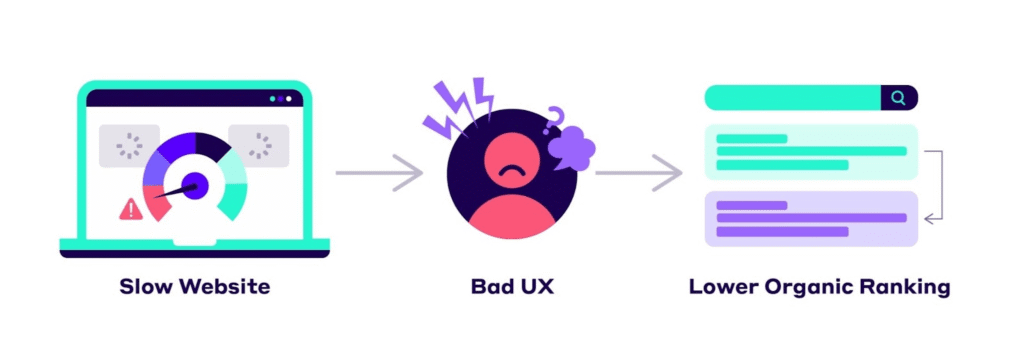
Why It Matters:
- Around 50% of mobile users abandon a page that takes more than 3 seconds to load.
- Sites with fast load times are more likely to retain users and have a higher chance of converting visitors into customers.
Solution:
- Compress images and use modern formats like WebP to increase loading speed.
- Minimize CSS, JavaScript, and HTML.
- Use reliable hosting and implement a content delivery network (CDN).
KodeGurus Tip: We use speed optimization tools and audit scripts to improve your site’s load time for both desktop and mobile.
2. Poor Mobile Optimization
With Google’s mobile-first indexing, if your site doesn’t perform well on mobile devices, your rankings will suffer regardless of how it looks on desktop.
Key Signs of Poor Mobile Optimization:
- The text is too small to read.
- Clickable elements are too close together.
- Unresponsive design or horizontal scrolling.
Solution:
- Use a mobile-responsive theme or design.
- Test your site on multiple mobile devices.
Use Google’s Mobile-Friendly Test tool.
3. Broken Links and 404 Errors
A few broken links may not seem like a big deal, but to Google, they signal a poorly maintained website.
Impact on Local SEO:
- Frustrates users.
- Prevents search engines from crawling your site properly.
- Lowers trust and authority.
Solution:
- Use online tools like Screaming Frog or Ahrefs to crawl your site for broken links.
- Regularly update outdated pages or set up proper 301 redirects.
KodeGurus Note: Our technical SEO checklist includes monthly crawl reports to ensure your site stays error-free.
4. Missing or Duplicate Meta Tags
Meta titles and descriptions help Google understand what your page is about, and they also influence click-through rates in search results.
Common Issues:
- Missing title tags or meta descriptions.
- Duplicate tags across multiple pages.
- Titles that are too long or too vague.
Solution:
- Customize meta tags for every page.
- Keep titles under 60 characters and descriptions under 160.
Use targeted keywords naturally.
5. Lack of Structured Data (Schema Markup)
Structured data helps Google better understand your content. It’s what powers things like rich snippets, think star ratings, prices, FAQs, and product info right on the search results page.
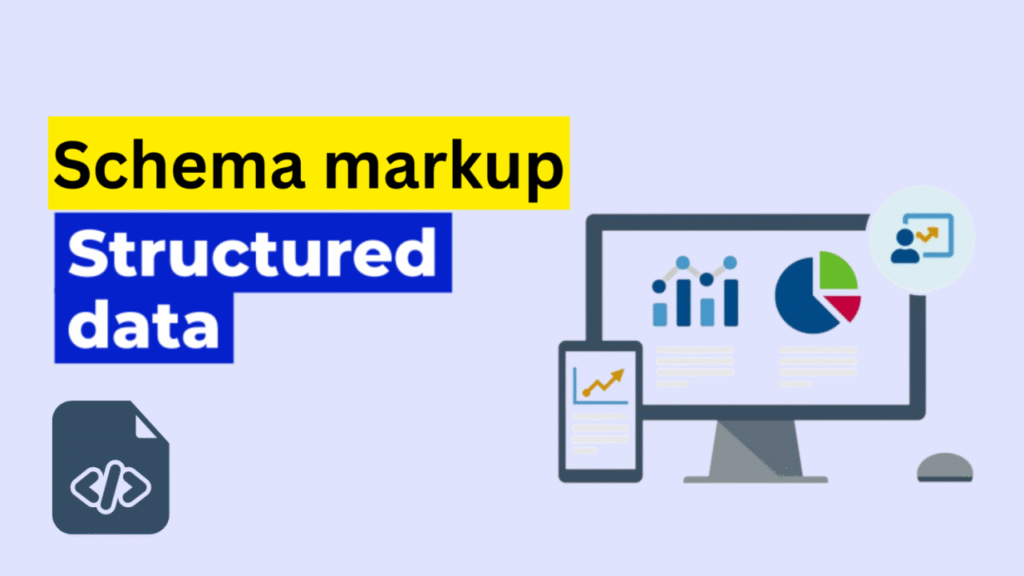
Example Comparison:
Feature | With Schema Markup | Without Schema Markup |
|---|---|---|
Search Appearance | Rich snippets, visuals | Basic blue links |
Click-through rate (CTR) | Higher | Lower |
Indexing & Local SEO Boost | Enhanced | Limited |
Solution:
- Use schema markup for products, reviews, FAQs, events, and more.
Implement it manually or with the help of plugins/tools.
6. Unoptimized Images
Images that are too large, lack alt text, or are not compressed properly can hurt both your Local SEO and your user experience.
SEO Issues with Images:
- Slow load time.
- Missed opportunities for keyword ranking.
- Poor accessibility.
Solution:
- Add descriptive alt tags with relevant keywords.
- Use image compression tools.
Name your image files appropriately (e.g., seo-audit-checklist.jpg).
7. Incomplete Google Business Profile for Local SEO
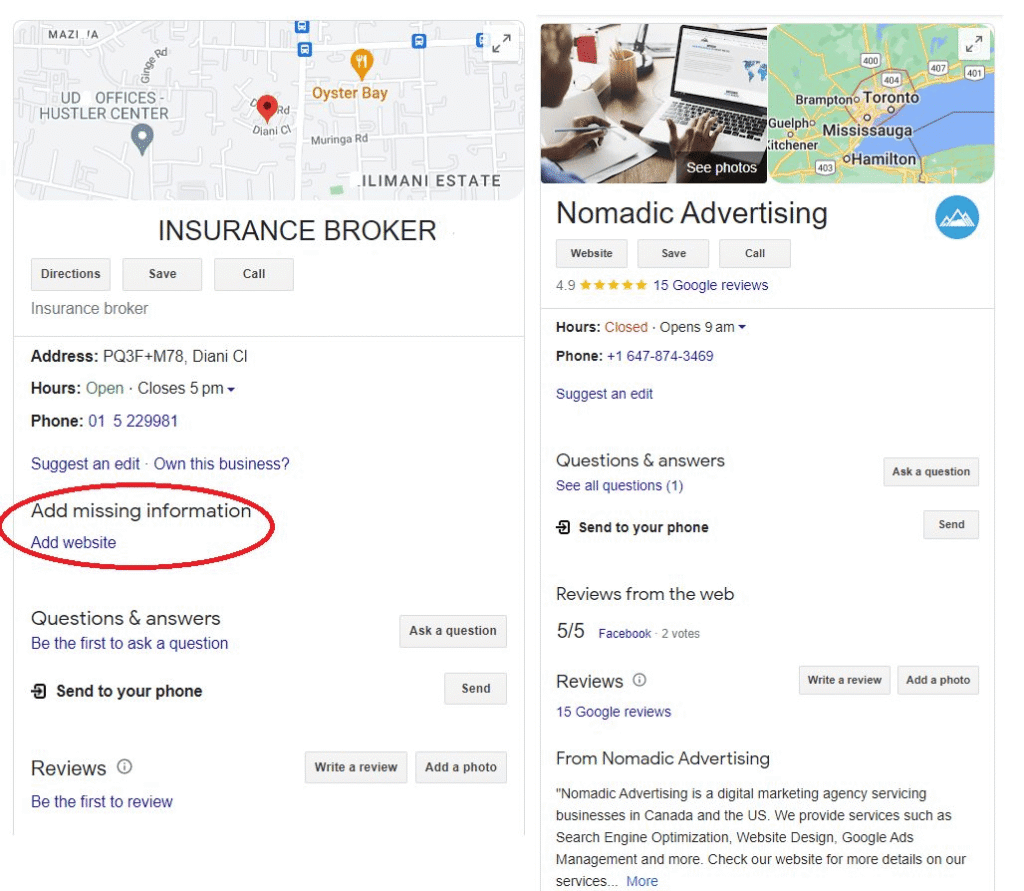
If your business relies on local visibility, then your Google Business Profile is critical. An incomplete or inconsistent listing will not only hurt local SEO but could also make you invisible to nearby customers.
Profile Manager Mistakes:
- Missing hours of operation.
- No reviews or responses.
- Inconsistent business name, address, or phone number (NAP).
Solution:
- Keep your Google Business Profile Manager updated.
- Encourage satisfied clients to leave reviews.
- Add relevant categories, photos, and posts regularly.
KodeGurus Reminder: We help our clients fully optimize their Google Business Profile as part of a complete local SEO package.
Final Thoughts: Don’t Let Your Website Be the Weak Link for Local SEO
SEO isn’t just about keywords and content, it’s about your entire online presence, from the structure of your site to how quickly it loads. When these hidden technical SEO issues are left unchecked, your rankings will slip even if your content is amazing.
Here’s a quick technical SEO checklist to keep handy:
- Fast load speed
- Mobile responsiveness
- No broken links
- Proper meta tags
- Structured data
- Optimized images
- Updated Google Business Profile
If you’re unsure where your website stands, don’t worry. KodeGurus specializes in deep SEO audits that uncover and fix every issue holding your site back.
Whether you’re experiencing site ranking problems or simply want to stay ahead in the ever-changing digital space, our team ensures your website is technically sound and ready to rank.
Remember, search engines evolve fast. But with the right strategy and partner, your business can stay one step ahead.

Ready to Fix the SEO Issues in Your Website?
Contact KodeGurus for a comprehensive SEO health check and see how we can transform your online visibility. Let’s turn those hidden flaws into growth opportunities.