
As we step into 2025, staying on top of web design trends 2025 is important for brands of all kinds. Design is expected to become more immersive and user-centric.
A modern website’s UI/UX, from its responsiveness on phones to its interactive features, shapes first impressions and even SEO. Website design accounts for over 90% of a brand’s first impression.
Updating your site with these trends can refresh your brand and keep you competitive, while ignoring them risks making your site feel stale or driving customers to competitors.
We cover key trends for corporate, e-commerce, and personal sites alike, with actionable tips and real-world implications for each.
Mobile-First and Speed Optimization

Today’s web traffic is overwhelmingly mobile: in early 2025, about 63% of all website visits come from smartphones.
Google’s mobile-first indexing means your site’s mobile version largely determines rankings. A mobile-first approach is thus essential. Every brand must ensure its design and performance shine on small screens.
In practice, this means responsive layouts, streamlined navigation, and blazing-fast load times. For example, one study shows that a poor mobile experience drives nearly 40% of users to a competitor.
Page speed also directly affects SEO, so optimizing performance is part of your UI/UX strategy.
- Prioritize critical content: Use the “above-the-fold” approach. On mobile, highlight key messages or products in the hero area so visitors see your value immediately.
- Simplify navigation: Employ hamburger menus, off-canvas drawers, or sticky menus that work smoothly on touch screens. Make it easy to find information without deep clicks.
- Optimize media: Compress images/videos and use mobile-friendly formats. Avoid large landscape photos or heavy animations that slow the site. Custom illustrations optimized for mobile can add personality without bulk.
- Design for touch: Enlarge buttons and links, add spacing, and rethink hover effects (since “hover” doesn’t work on touch). Incorporate gestures like swipe or pinch where appropriate.
- Leverage app-like features: Consider Progressive Web App (PWA) techniques or Accelerated Mobile Pages (AMP) to enable fast, “instant” experiences on mobile.
Ethical, Sustainable, and Accessible Design
Consumers increasingly expect brands to be socially and environmentally responsible. Surveys find 92% of people trust socially responsible or eco-friendly brands, and many will choose ethical companies over others.
Website design can reflect these values. Sustainable design practices (minimalist layouts, dark-mode themes, efficient code) reduce energy use and improve load times.
For example, a dark background and monochrome palette use less device power, and simplified pages use less bandwidth. Meanwhile, accessibility is no longer optional. Design with all users in mind: high-contrast text, large readable fonts, alt text on images, and simple language help everyone.
Accessibility also aligns with ethical standards: designing for inclusivity broadens your audience and avoids legal issues (e.g., WCAG/ADA compliance).
- Embrace minimalism: Use clear information architecture and pared-down visuals. Focus on meaningful content and avoid unnecessary decorations.
- Optimize assets: Use system or open-source fonts (like WOFF2) and compress images to lower the carbon footprint.
- Offer dark mode: A dark background UI not only looks modern but can save energy on OLED screens.
- Ensure accessibility: Add alt text to images, use accessible color contrasts, and write concise, inclusive copy. Include keyboard navigation and clear labels for screen readers.
- Highlight values: Feature your ethical or eco initiatives in design elements (icons, badges, a sustainability page) to reinforce brand trust.
Immersive Interactions and Micro-Animations
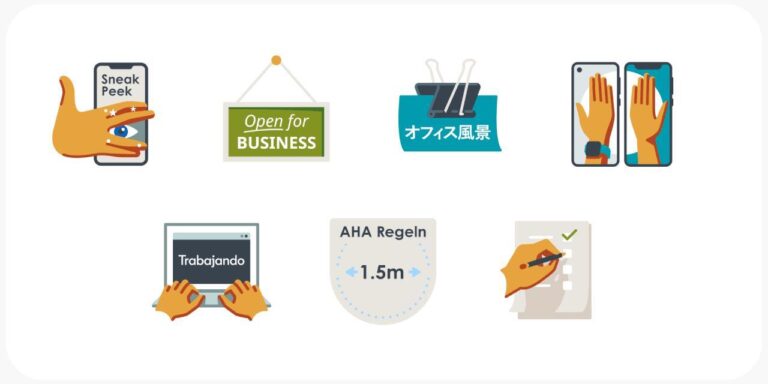
Engagement is key to keeping visitors on your site. In 2025, expect meaningful micro-interactions and subtle animations to be widespread. These are small, interactive details (like button animations, hover feedback, or loading spinners) that make the UI feel alive.
They provide instant feedback and guide users through the interface. For instance, a login form might “shake” on error, or a product thumbnail might smoothly expand on click. Even playful elements like custom cursor trails or hover effects can reinforce brand personality.
Interactive tools (like product visualizers, quizzes, or live charts) also drive engagement. The goal is to add delight without distraction. When well-designed, these interactions boost user satisfaction and retention.
- Add micro-animations for feedback: Use CSS or JS to animate button presses, form submissions, or menu toggles. These reassure users that actions are happening.
- Experiment with cursor or pointer effects: A dynamic cursor (e.g., a dot or glow that follows the mouse) can make navigation feel custom and memorable.
- Integrate interactive elements: E-commerce sites can use 360° product viewers or “build-your-own” configurators; portfolios might include animated infographics.
- Keep performance in check: Test that animations don’t slow the site. Remember, 40% of users leave after a bad mobile experience – even micro-animations should be lean.
- Use triggers thoughtfully: Implement animations on key touchpoints (load, click, hover, scroll) that add value (e.g., guiding through a signup process).
AI-Driven Design and Personalization
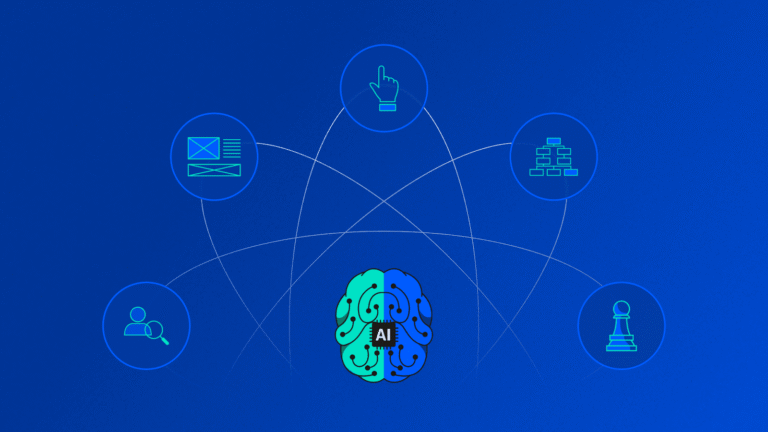
Artificial Intelligence is transforming web development and user experience. By 2025, many sites will leverage AI to improve design workflows and personalize content. AI tools can automate coding tasks, letting designers focus on creativity.
However, AI personalization can tailor the UI based on behavior: think product recommendations in e-commerce or dynamically ordering page sections by user interest. Chatbots and virtual assistants will become ubiquitous on sites, handling inquiries around the clock.
For example, an online store might use AI to analyze browsing history and suggest products, while a service site might have a bot book appointments.
Designers can also use generative AI (like image synthesis or copywriting tools) to speed up prototyping, though it’s important to refine AI output to match your brand’s voice.
- Implement personalization engines: Use AI-driven modules or plugins that adapt headlines or offers to each visitor’s location, past behavior, or preferences.
- Deploy AI chatbots: Add a chatbot widget to answer FAQs, guide users, or collect leads. An AI assistant can handle simple tasks (status updates, product info) and hand off to humans for complex issues.
- Use generative AI for assets: Tools like GPT or image generators can draft copy, suggest color schemes, or mock up designs quickly, then edit them for quality.
- A/B test with AI: Consider platforms that use AI to run continuous tests on layouts and automatically apply winning designs for conversions.
Bold Visuals and Hero Sections
Your homepage’s hero section still makes or breaks first impressions. Also in 2025, expect bold typography, vibrant visuals, and clear CTAs to dominate hero areas. Large custom illustrations or abstract graphics can catch the eye and convey personality.
Headlines should be concise and benefit-driven. Importantly, place a prominent call-to-action above the fold: studies show a top-of-page CTA can drive roughly 300% more engagement than one buried below.
Use contrast and motion to your advantage: a subtle animated background or parallax scroll adds depth.
These elements should work together to instantly communicate your brand’s message and invite the visitor to act (shop now, learn more, sign up).
- Use oversized, legible fonts: Headlines with big, branded type create visual impact. Hence, pair them with a clean background or subtle texture.
- Feature custom illustrations or 3D graphics: Avoid generic stock photos. Unique artwork (even “absurd” or abstract) grabs attention and differentiates your site.
- Highlight your CTA: Make sure your main action button is large, contrasting, and placed in view. Use action-oriented text (e.g., “Start Free Trial” vs. “Submit”).
- Add dynamic effects: Animated accents (e.g, floating shapes, scrolling animations) can reinforce the message and look cutting-edge. Keep them lightweight (CSS or vector-based) so the hero still loads quickly.
Local Presence and Google My Business

For companies and personal brands with a local or physical component, online design must align with local marketing. Beyond your website, ensure your Google My Business profile (Business Profile) is optimized and matches your site’s branding.
Local SEO is a 2025 priority: structured data, geo-targeted content, and a complete GMB listing help customers find you in nearby searches. Display your address, hours, and photos consistently on both your site and GMB.
Encourage customers to leave reviews on GMB and showcase a few testimonials on your site to build trust. In essence, treat your online presence holistically: a user might discover your brand via GMB or Google Maps before visiting your website, so consistency matters.
- Complete your Google My Business listing: Add up-to-date info (address, phone, photos, hours) and your logo. Use posts or updates on GMB to promote offers, tying back to your site.
- Match branding across platforms: Use the same color scheme, logo, and imagery on your site and GMB profile for a unified look.
- Use local content: If appropriate, add location-specific landing pages or localized copy (e.g., “New York accounting firm”) to capture regional search traffic.
- Leverage reviews: Showcase star ratings or snippets from Google reviews on your website (with permission) to boost credibility.
Conclusion
Web design in 2025 will be more responsive, responsible, and engaging than ever. Brands that adopt mobile-first layouts, ethical/sustainable aesthetics, interactive micro-animations, AI-driven personalization, and bold visuals will stand out.
These trends not only refresh your brand’s image but also strengthen user engagement and SEO. However, always filter new ideas through your brand identity: add only those features that support your goals and audience.
Monitor your site metrics (conversion rates, bounce rates, load times) as you implement changes.
Also, don’t forget your off-site presence, keep Google My Business and local SEO in sync with your site’s design. In sum, a well-executed 2025 design strategy can make your brand feel cutting-edge and trustworthy, while falling behind can leave it looking outdated and fragile online.
To get your business to the top of the search results and to get good traffic using GMB, contact KodeGurus today!